Aftermath: Bosnia's Long Road to Peace
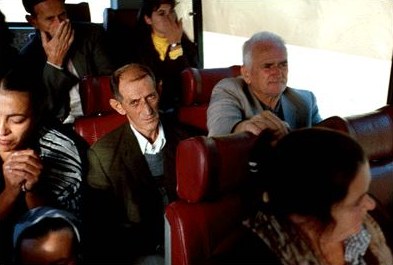
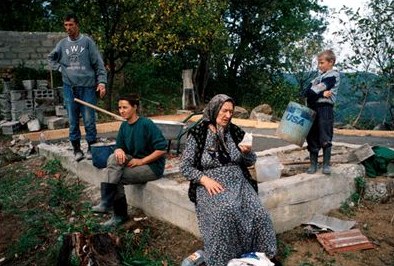
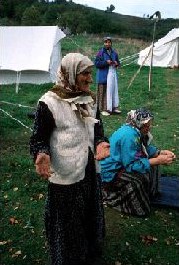
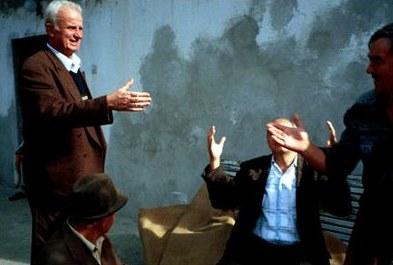
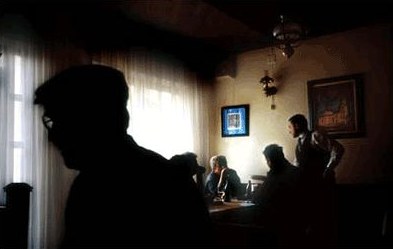
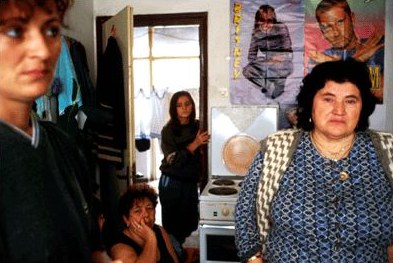
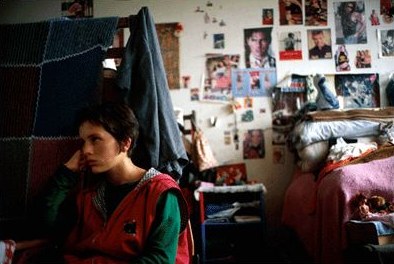
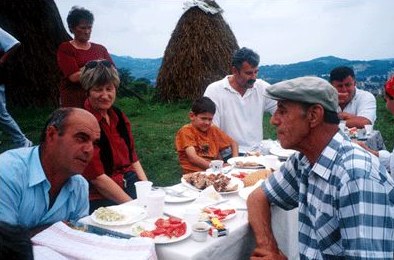
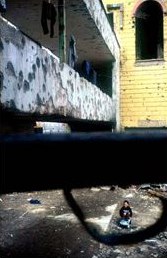
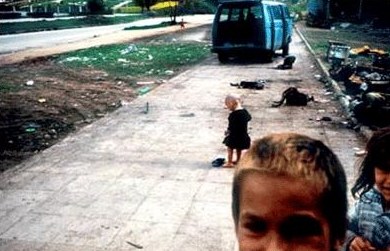
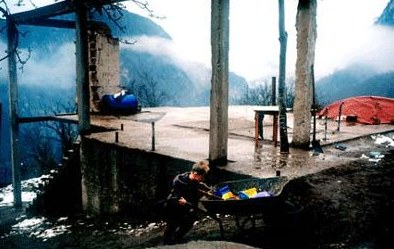
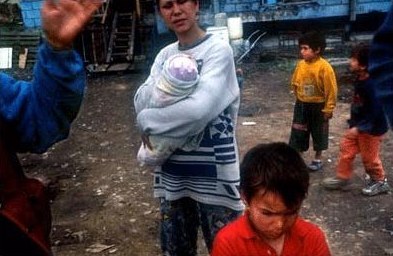
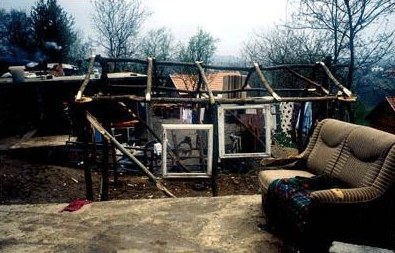
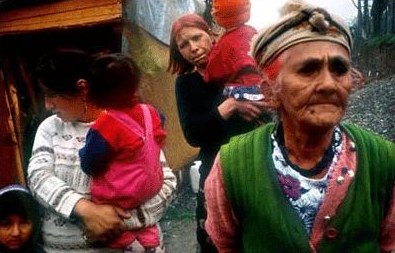
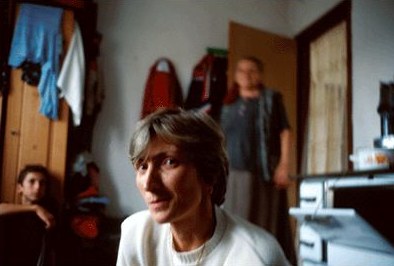
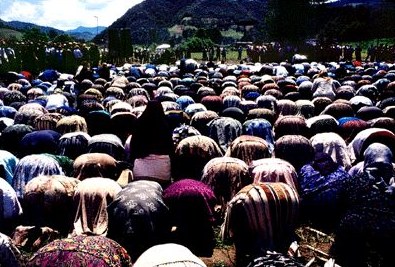
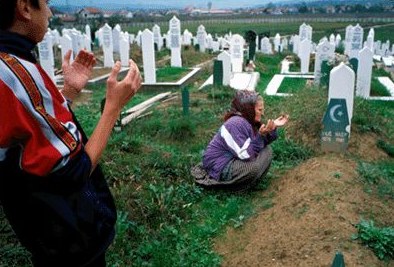
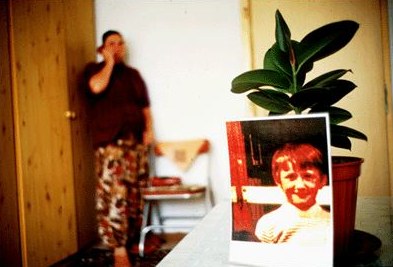
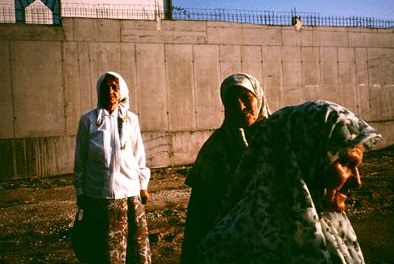
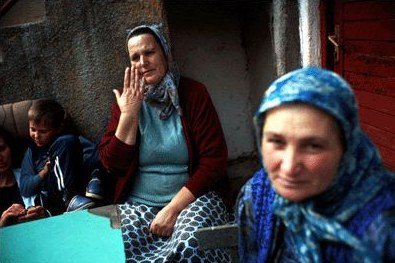
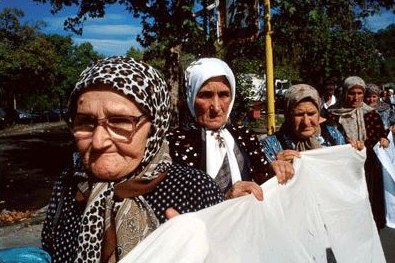
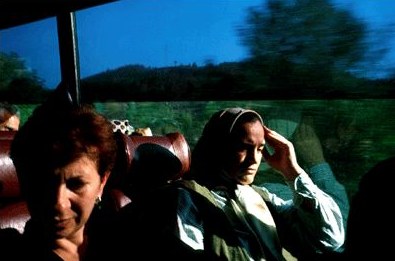
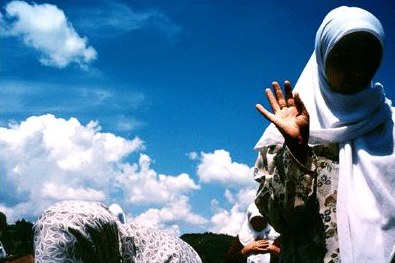
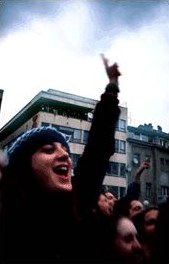
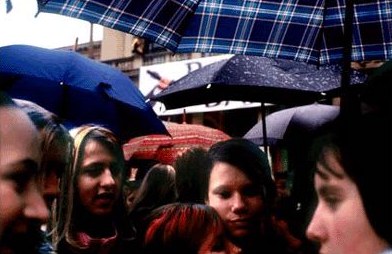
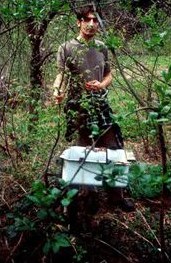
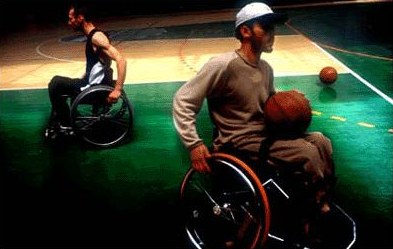
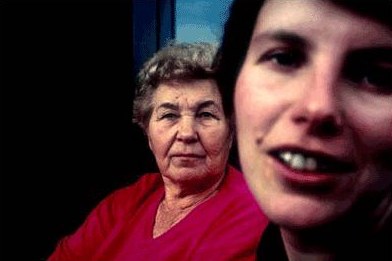
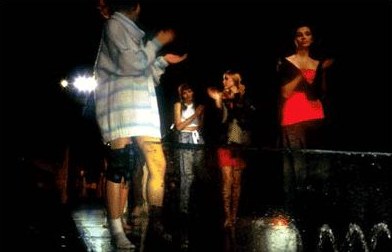
"Aftermath" seeks to explore and illumine the incredibly challenging period that follows the end of war, with its difficult tasks of rebuilding lives and communities. Bosnia's brutal war, marked by ethnic cleansing and genocide, began in 1992 and finally ended in 1995. Today, Bosnians are still struggling to rebuild a multicultural civil society that will be free from future conflict. They cannot do it alone. "Aftermath" explores five areas in which critical issues of reconciliation and rebuilding are being played out : the exhumation and identification of victims of ethnic cleansing; the widows of Srebrenica; the youth of Sarajevo; hardline ethnic communities; and the ongoing return of refugees to villages they fled during the war. This project began in July, 2000, when I read a newspaper article about the record number of Bosnians trying to return their homes - while at the same time international aid for these people was decreasing. I was astounded by this news, because these so-called "minority returns" are one of the fundamental goals of Dayton Peace Accord, which finally ended the war in 1995. The reason for the decrease in financial aid - at such a crucial time in the rebuilding of Bosnia - was widely attributed to "Bosnia fatigue". Donors were simply growing tired of Bosnia and were turning their attention elsewhere. The west, particularly the United States, played a critical role in the war in Bosnia - mainly through inaction, thereby allowing Serb leader Slobodan Milosevic to pursue his goals of creating a Greater Serbia, which included slaughtering thousands of Bosnian Muslims. Only after the massacre of some 7,000 Muslim men and boys at Srebrenica in 1995 did the West finally step in with military force and help bring the war to an end. I felt, and still feel, that the West has a special obligation - not to mention regional self-interest - in helping the country rebuild. The year 2002 is an important milestone for Bosnia : it marks the tenth anniversary of the beginning of the conflict, as well as the year in which Slobodan Milosevic will finally be brought to trial before an international court at the Hague on charges of genocide for his role in instigating and leading the war.
- Photographer
- Sara Terry
- Country
- Bosnia
- Published
- October 2002
- Images
- 34
- Reference
- 287-50082
 287_50082_01
 287_50082_02
 287_50082_03
 287_50082_04
 287_50082_05
 287_50082_06
 287_50082_07
 287_50082_08
 287_50082_09
 287_50082_10
 287_50082_11
 287_50082_12
 287_50082_13
 287_50082_14
 287_50082_15
 287_50082_16
 287_50082_17
 287_50082_18
 287_50082_19
 287_50082_20
 287_50082_21
 287_50082_22
 287_50082_23
 287_50082_24
 287_50082_25
 287_50082_26
 287_50082_27
 287_50082_28
 287_50082_29
 287_50082_30
 287_50082_31
 287_50082_32
 287_50082_33
 287_50082_34